Tiger Safaris India
The Ultimate Destination for unforgettable Tiger Safaris
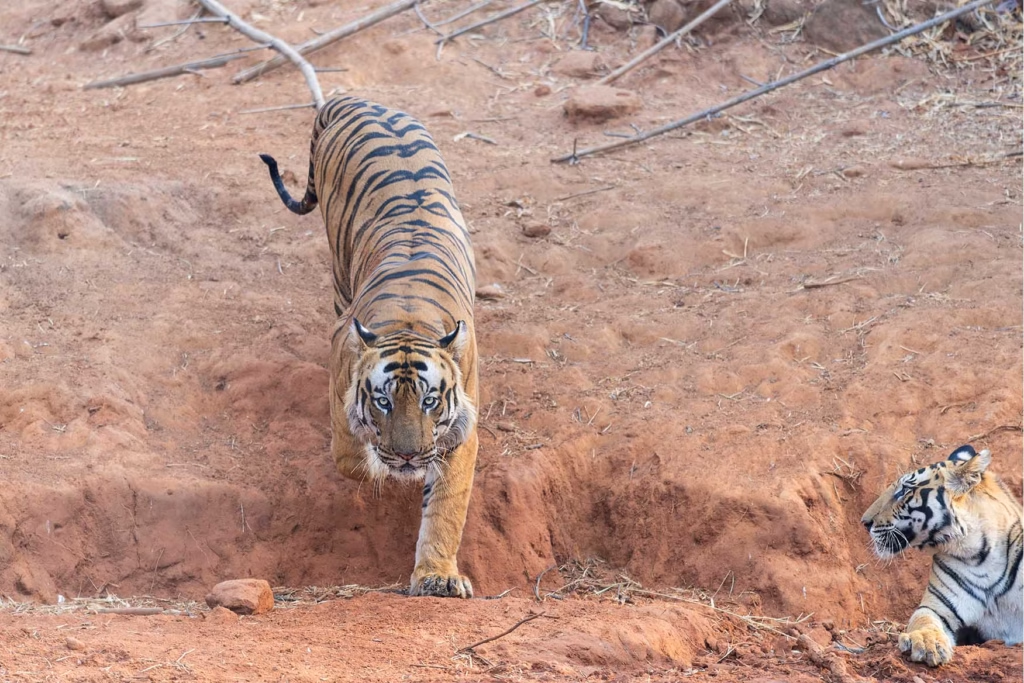
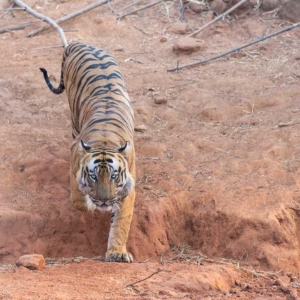
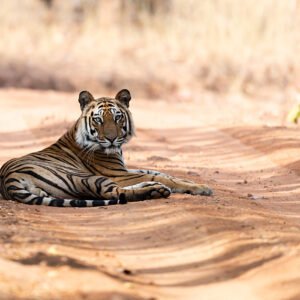
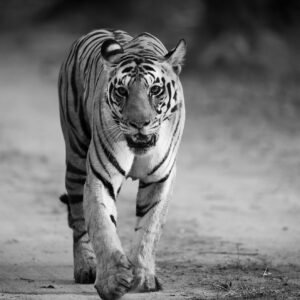
India is one of the last places on earth where you can watch a wild Bengal tiger stride through dappled morning light, unhurried and utterly indifferent to your presence. For wildlife lovers, it is a bucket-list moment that no documentary can replicate. For the discerning traveller, the good news is that you no longer have to choose between that raw wilderness encounter and the comforts of a world-class hotel. Luxury tiger safaris in India have evolved into a sophisticated travel category of their own — combining expert naturalists, intimate game drives, bespoke itineraries, and extraordinary lodges that rival the finest properties anywhere in the world.
We guide you with everything that you need to know: where to go, when to visit, what to expect at a luxury camp, and how to ensure your safari contributes to the conservation of the very animals you have come to see.
Why Choose Tiger Safari in India?
India is home to more than 3,000 wild tigers — roughly 75% of the global population — spread across 53 designated Tiger Reserves under Project Tiger, the government’s flagship conservation programme launched in 1973. The combination of extraordinary biodiversity, a well-developed reserve network, and a growing luxury hospitality sector makes India the premier destination for a tiger safari.
A luxury safari differs from a standard park visit in several important ways. Where a budget traveller may join a shared jeep and follow a fixed route, a luxury experience typically offers a private vehicle, a dedicated naturalist, and carefully timed game drives at dawn and dusk — the hours when tigers are most active. Exclusive lodges also limit guest numbers, which means quieter zones and more time observing wildlife without the pressure of other vehicles crowding around a sighting.
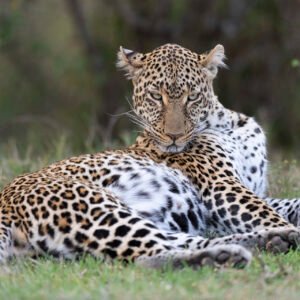
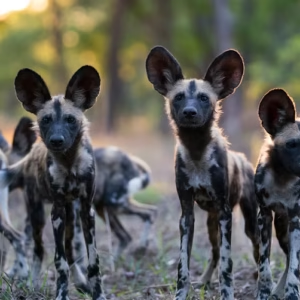
Beyond the tiger itself, a luxury safari in India opens a window into one of the planet’s richest ecosystems: leopards, sloth bears, Indian wild dogs (dholes), gaur (Indian bison), and hundreds of bird species share the same forests. Our skilled guides transforms every game drive into a masterclass in ecology.
Top Destinations for Tiger Safaris in India
Ranthambore National Park, Rajasthan
Ranthambore is arguably India’s most famous tiger reserve, and its combination of dramatic landscape and relatively high tiger density makes it the first choice for many first-time visitors. Ancient ruins — including the imposing Ranthambore Fort — rise above the forest, giving sightings a cinematic, almost mythological quality.
Luxury properties around Ranthambore include intimate tented camps and heritage-style lodges with infinity pools, spa treatments, and curated Rajasthani dining. The reserve is accessible year-round (except the monsoon closure from July to September), and the open scrub-grassland habitat makes spotting tigers comparatively straightforward.
Bandhavgarh National Park, Madhya Pradesh
Bandhavgarh consistently records some of the highest tiger densities of any reserve in India, and its compact size — roughly 105 square kilometres of core zone — means sightings are frequent and often prolonged. The park also holds significant populations of leopard, sambar deer, and the spectacular Bengal florican.
Luxury safari lodges here tend to be small (eight to twelve rooms) and are run by naturalists who have spent decades in the park. Expect early morning drives in open 4×4 jeeps, guided nature walks in buffer zones, and evening talks around a fire.
Kanha National Park, Madhya Pradesh
Kanha is the largest national park in central India and the inspiration for Rudyard Kipling’s The Jungle Book. Its sweeping meadows (known as maidans) are tailor-made for game viewing: tigers, leopards, and the rare barasingha (swamp deer) move openly across the grasslands.
Luxury tented camps on the edge of Kanha offer an immersive experience — the sounds of the jungle are your alarm clock, and rooms are designed to blur the boundary between interior comfort and outdoor wilderness. Several properties operate their own wildlife conservation programmes and offer guests the chance to participate in camera-trap surveys and reforestation activities.
Pench National Park, Madhya Pradesh
Pench straddles the border of Madhya Pradesh and Maharashtra and is less visited than its neighbours, making it ideal for travellers seeking exclusivity. Tiger sightings are excellent, and the park’s diverse landscape — teak forests, rivers, and rocky outcrops — lends itself to immersive, unhurried game drives.
Boutique lodges here are particularly praised for personalised service and talented naturalist teams. Pench is also a superb destination for birdwatchers, with over 285 recorded species.
Tadoba-Andhari Tiger Reserve, Maharashtra
Tadoba is Maharashtra’s oldest and largest national park, and it has gained a strong reputation among serious wildlife photographers for the frequency and quality of its tiger sightings. The reserve’s combination of dense forest and open water bodies — where tigers are regularly seen cooling off in summer — makes it exceptional for photography safaris.
Luxury lodges near Tadoba have invested heavily in photography infrastructure: specially designed vehicles with camera mounts, on-site editing suites, and resident photographer-guides who know exactly where and when the light falls perfectly.
What to Expect at a Safari Lodge
The best luxury safari lodges in India share a common philosophy: maximum comfort, minimum footprint. Here is what you can typically expect:
Accommodation: Tents and cottages are spacious — often larger than a standard hotel room — with king-sized beds, premium linen, rainfall showers, and outdoor bathing areas. Air conditioning or ceiling fans keep rooms comfortable during warmer months, and fireplaces provide warmth on cold winter nights.
Game drives: Morning and afternoon drives in private, open-topped 4×4 jeeps last approximately three hours each. Your vehicle will be accompanied by a trained naturalist and a government-assigned forest guide. The ratio of guests to naturalist is typically two to four — meaning genuinely personalised interpretation rather than a generic commentary for a large group.
Dining: Expect high-quality cuisine, often drawing on regional traditions — robust Rajasthani thalis near Ranthambore, or the subtler spiced dishes of Madhya Pradesh around Kanha and Bandhavgarh. Many lodges grow their own herbs and vegetables, and dietary requirements are accommodated with care.
Wellness: Spa treatments using indigenous ingredients, yoga pavilions set against the forest, and guided nature walks are standard features at top-tier properties. Some lodges also offer Ayurvedic consultations and curated wellness programmes.
Conservation experiences: The finest luxury lodges operate as conservation partners. Guests may be invited to attend briefings from park rangers, participate in wildlife monitoring, or contribute to community development projects in villages around the reserve.
Best Time to Visit for Tiger Safaris
India’s national parks operate on a seasonal schedule largely dictated by the monsoon. Most parks close from late June or July until October, when heavy rains make forest tracks impassable and visibility poor. The ideal safari season runs from October through June, with the peak months varying by park.
October to February brings cooler temperatures and excellent general wildlife viewing. Birds are plentiful, vegetation is lush after the rains, and the pleasant climate makes game drives thoroughly comfortable.
March to June is considered prime tiger viewing season. As temperatures climb and water sources dry up, wildlife concentrates around remaining waterholes and rivers. Tigers are more active during these months and sightings become more predictable. Days can be hot — reaching 45°C in May — but the early morning drives are cool, and the intensity of the experience more than compensates.
Responsible Luxury: Safari and Conservation
A defining feature of the best luxury tiger safaris in India is their commitment to responsible tourism. India’s tiger population has recovered significantly over the past two decades — from a low of around 1,400 in 2006 to over 3,000 today — but the pressures of habitat loss, human-wildlife conflict, and poaching remain real.
When choosing your luxury safaris, choose operators who are transparent about their conservation contributions: what percentage of revenue goes to anti-poaching patrols? Do they employ staff from local communities? Are vehicles limited around sensitive sightings? The most reputable lodges publish annual conservation reports and welcome scrutiny.
Travelling with a specialist luxury safari operator, like us — ensures that your itinerary is guided by experience and genuine ecological knowledge, reducing the risk of inadvertently contributing to overcrowded sightings.
Planning Your Tiger Safari in India
A typical luxury tiger safari itinerary runs between seven and ten nights, often combining two parks for variety. Ranthambore pairs well with the Golden Triangle (Delhi, Agra, Jaipur) for a combined culture-and-wildlife journey. Kanha and Bandhavgarh are frequently combined on a central India wildlife circuit, with Pench added for a third park.
International travellers enter India through Delhi, Mumbai, or Chennai, with connecting domestic flights to Jaipur (for Ranthambore), Nagpur (for Kanha, Pench, and Tadoba), or Jabalpur (for Bandhavgarh). Most luxury lodges arrange seamless airport transfers and all park permits, making the logistics entirely effortless.
Safari costs vary depending on the lodge and season, but a premium, all-inclusive experience encompasses accommodation, all meals, two daily game drives, a dedicated naturalist, and park entry fees.
A luxury tiger safari in India is not simply a holiday — it is an encounter with one of nature’s most powerful symbols, experienced through the lens of thoughtful hospitality and genuine expertise. Whether you are watching a tigress lead her cubs across a dry riverbed at Bandhavgarh, or sitting in silence as a male tiger marks his territory at dawn in Ranthambore, these are moments that stay with you for a lifetime.
India’s forests are worth protecting, and every guest who chooses a responsible luxury operator becomes part of that story. Book early, travel with curiosity, and let the jungle do the rest.
Tiger Safaris India
- Tiger Safaris
Ranthambore Tiger Safaris and Golden Triangle Tour of India (10 nights)
$6,500.00 Add to cart - Tiger Safaris
Panna Luxury Tiger Safaris (9 nights) with complimentary Khajuraho Temples Visit
$5,500.00 Add to cart